With a massive capacity for over 55,000 enthusiastic fans, Etihad Stadium is not just large; it's a colossal playground for football aficionados. The stadium transforms into a magical realm where the jubilation of fans harmonizes with the exhilarating action on the field, creating an unforgettable experience for all football enthusiasts.
10 Interesting facts about Etihad Stadium
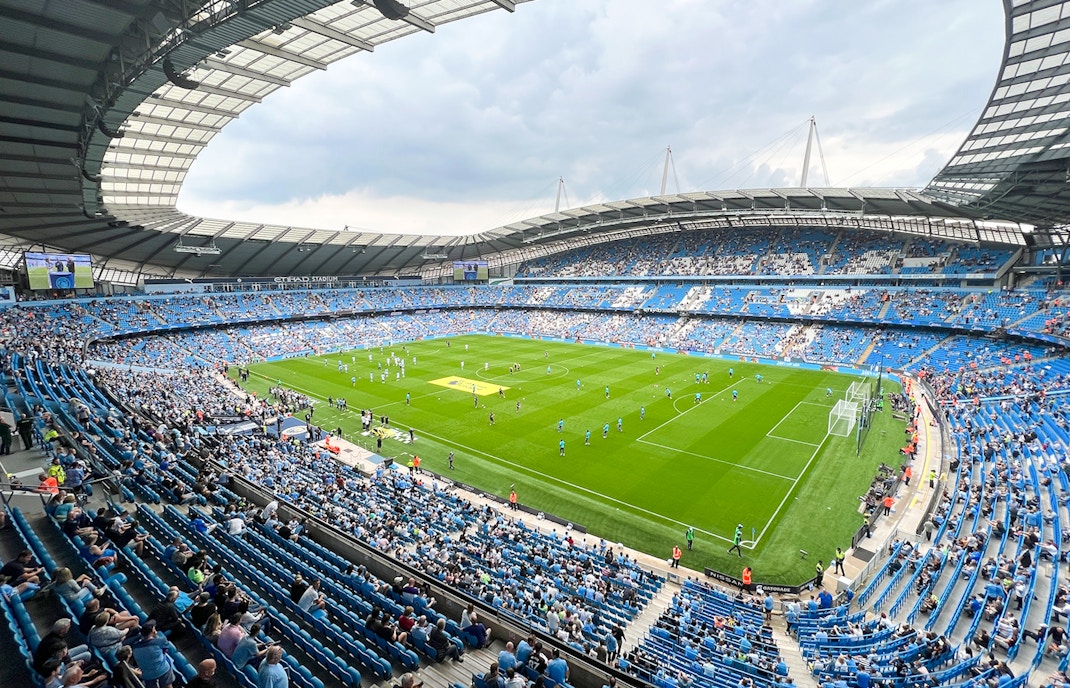
Immersive Seating Experience
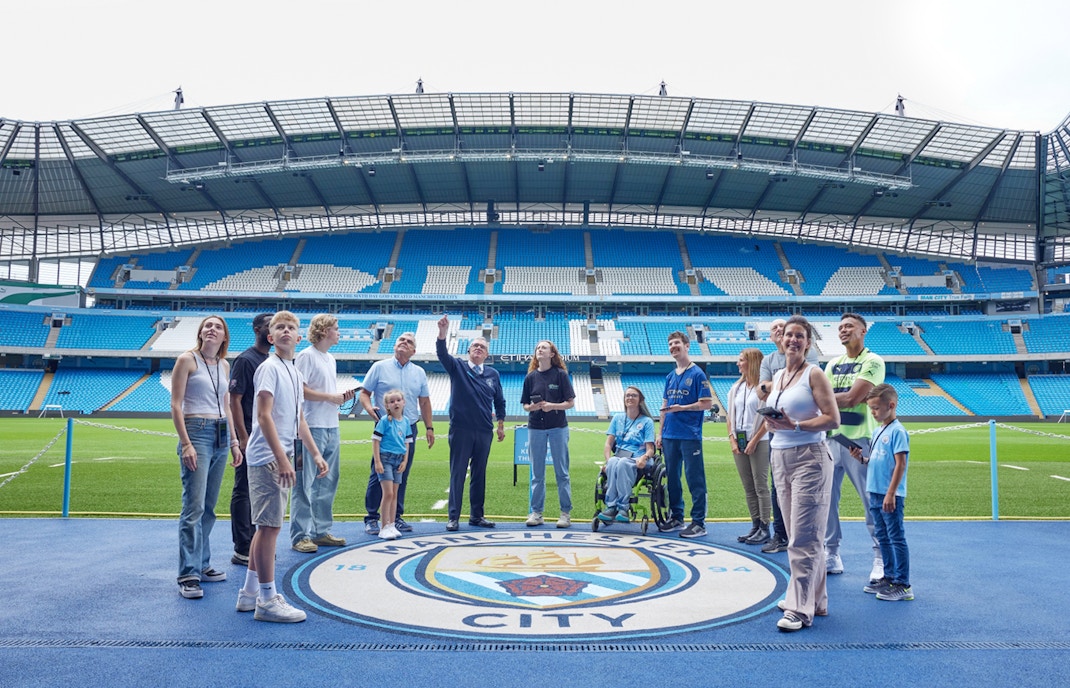
Inaugurated in 2003
Opening its doors on May 25, 2003, Etihad Stadium stands as a contemporary football hub, resembling an extraordinary sports clubhouse. Far from ordinary, it is a state-of-the-art venue where top-tier football takes center stage, providing the perfect setting for all the action and excitement that defines the beautiful game.

Architectural Marvel of Modern Football
Etihad Stadium stands out as a modern marvel in football architecture. Its contemporary design features cutting-edge elements that enhance its iconic presence. The stadium isn't just a venue; it's a testament to thoughtful design and innovation, creating an atmosphere that resonates with both sports enthusiasts and admirers of fine craftsmanship.
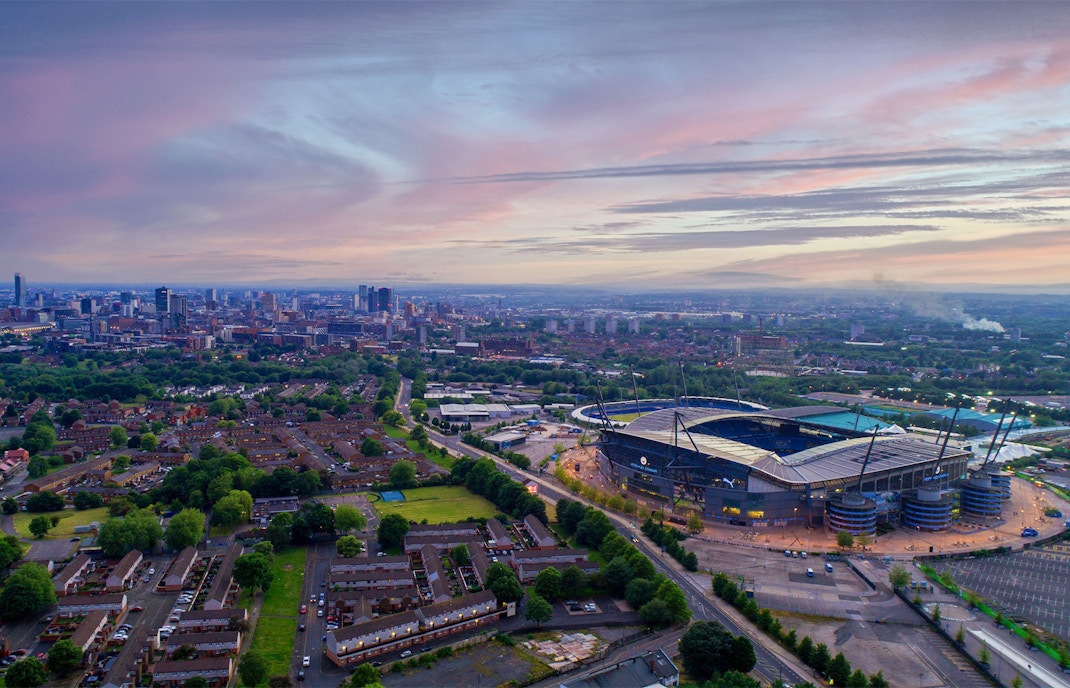
Versatile Host of Prestigious Events
Beyond its role as a football haven, Etihad Stadium transforms into a versatile venue for prestigious events, enriching its storied history with cultural and entertainment significance. From captivating concerts to high-profile gatherings, the stadium's diverse functions add a dynamic layer to its identity, creating memorable experiences beyond the realm of sports.
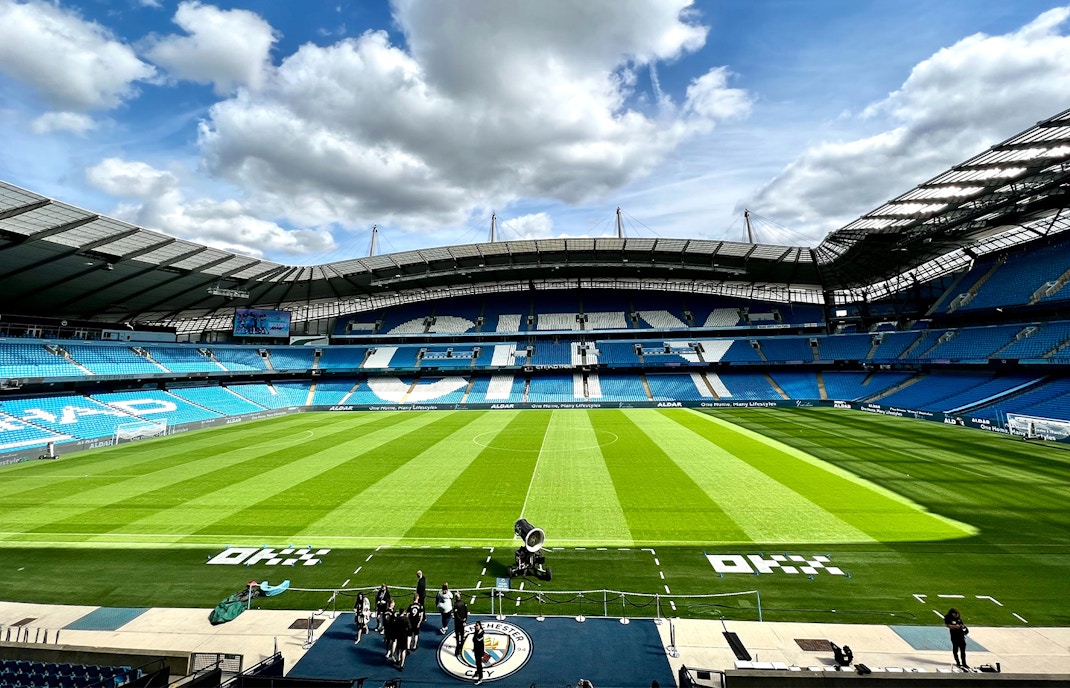
A 100% Natural Grass Pitch
In a dedicated pursuit of player performance and safety, the stadium proudly boasts a pitch crafted entirely from natural grass. This meticulous choice guarantees optimal playing conditions, adding to the stadium's distinguished reputation for hosting high-quality football matches.
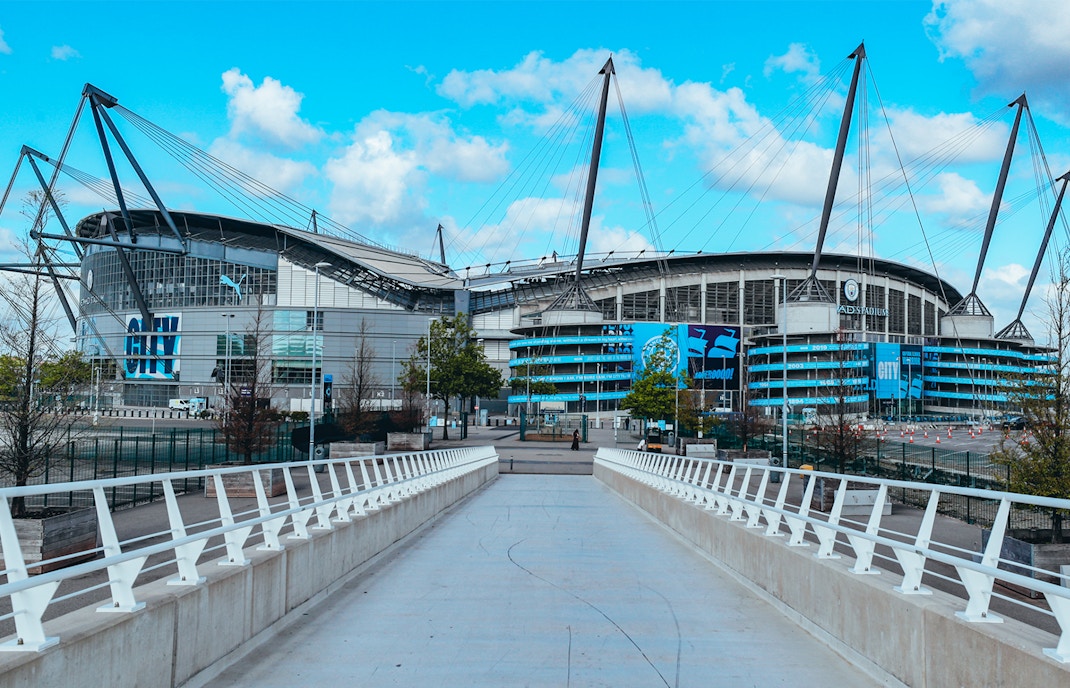
UK's Pinnacle of Roof Design
The roof of Etihad Stadium stands as an awe-inspiring engineering marvel, stretching across more than 1.5 acres and securing its status as the United Kingdom's largest continuous roof. This remarkable architectural feature not only enhances the grandeur of the stadium but also provides effective protection from the elements.

Hub of Etihad Campus
Beyond being a football spectacle, Etihad Stadium plays a pivotal role within the Etihad Campus, serving as a central hub for sports, education, and innovation. It's more than a stadium; it's a dynamic space where diverse elements converge to create a thriving ecosystem.

Championing Sustainability
Demonstrating a steadfast commitment to environmental responsibility, the stadium implements sustainability measures like rainwater harvesting and solar panel installations to diminish its ecological impact. As an ongoing effort, the venue aims to stand as a beacon of eco-friendliness, setting a positive example for stadiums worldwide.
Third-Largest in England
In the hierarchy of English stadiums, Etihad Stadium claims the prestigious title of being the third-largest, following in the footsteps of Wembley Stadium and Old Trafford. Boasting impressive capacity and top-notch facilities, it stands as a premier destination drawing football enthusiasts from across the globe.

Naming Legacy
Originally known as the City of Manchester Stadium, the current name of this venue wasn't always Etihad. In July 2011, a significant transformation occurred when Manchester City signed a deal with Etihad Airways, relinquishing the naming rights to Etihad. Subsequently, the stadium underwent a renaming process and became officially known as the Etihad Stadium.
